


 IND
IND

.svg)
.svg)
.svg)
.svg)
.svg)
.svg)
.svg)


.svg)

.svg)


© 2025 Excelsior Technologies.
.webp)
.webp)












Software
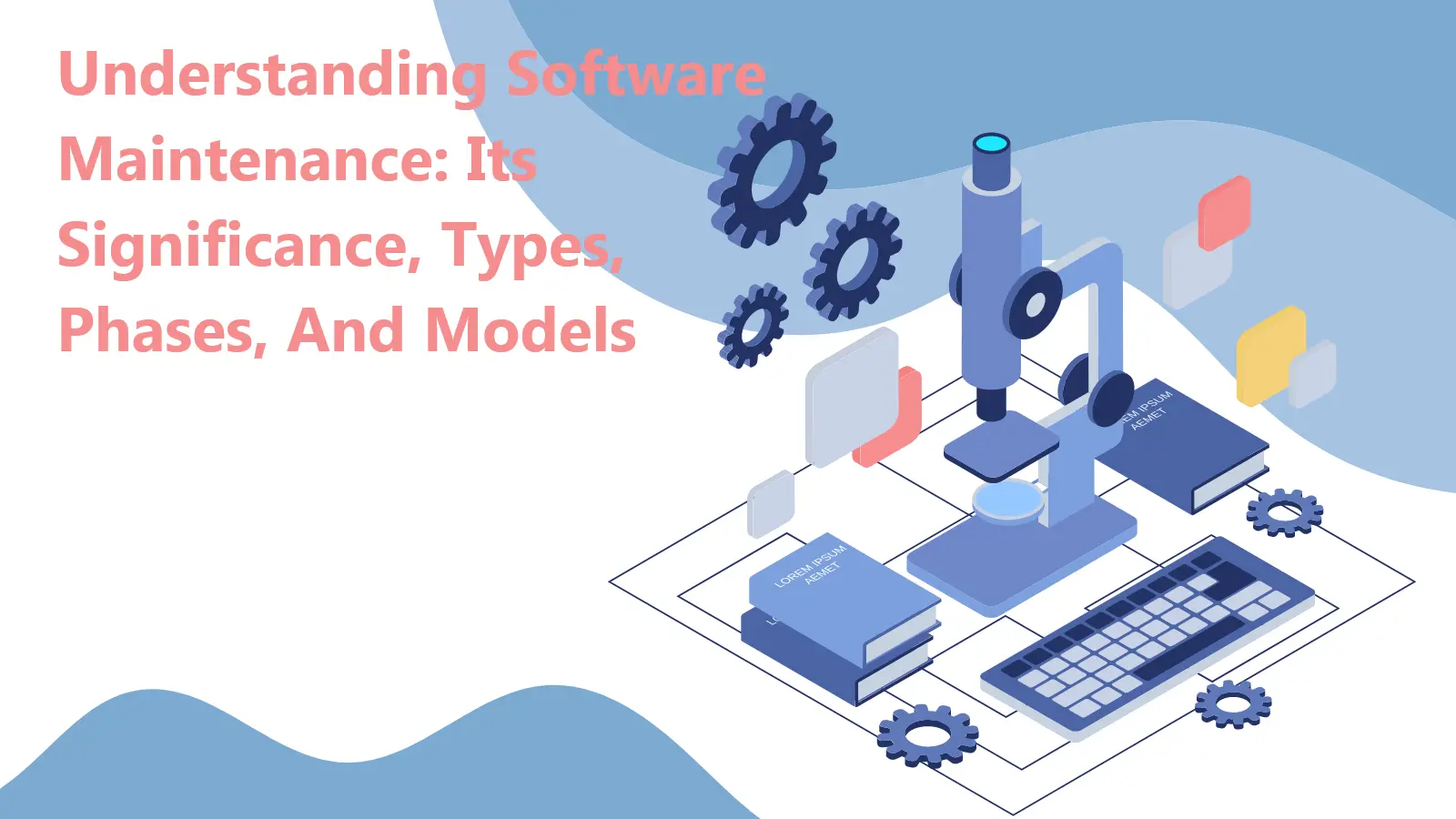
Understanding Software Maintenance: Its Significance, Types, Phases, and Models
Software maintenance is a critical aspect of the software development lifecycle, encompassing the activities required to ensure that software continues to function as intended after its initial deployment. It involves making updates, fixing bugs, and adapting the software to meet evolving needs and technological advancements. Proper maintenance is essential for keeping software reliable, secure, and effective over time.
1. The Importance of Software Maintenance: Why It Matters
Software maintenance is crucial for ensuring the ongoing reliability and functionality of applications. This section will discuss why maintenance is essential, including its role in addressing issues, adapting to new requirements, and ensuring long-term software viability.
2. Types of Software Maintenance: What You Need to Know
There are several types of software maintenance, each serving a different purpose. This section will outline the key types, such as corrective, adaptive, perfective, and preventive maintenance, explaining their roles and impacts on the software lifecycle.
3. Phases of Software Maintenance: A Step-by-Step Approach
Software maintenance is not a one-time activity but involves multiple phases. This section will break down the phases of maintenance, from initial bug fixes and updates to ongoing support and enhancements, providing a clear understanding of the process.
4. Models for Software Maintenance: Strategies and Approaches
Various models and approaches can be used to manage software maintenance effectively. This section will explore different models, such as the waterfall model, agile maintenance, and iterative approaches, discussing their advantages and how they align with different maintenance needs.
5. Challenges in Software Maintenance: Navigating Common Issues
Maintaining software can present various challenges, from dealing with legacy code to managing evolving requirements. This section will identify common challenges and provide strategies for overcoming them to ensure successful maintenance outcomes.
6. Best Practices for Effective Software Maintenance: Tips for Success
To achieve effective software maintenance, certain best practices should be followed. This section will provide practical tips and recommendations for maintaining software efficiently, including documentation, testing, and communication strategies.
Understanding Software Maintenance: Its Role, Types, and Management
Explore the fundamentals of software maintenance, including its importance, various types, phases, and models, and learn how to effectively manage and support your software applications throughout their lifecycle.

"Software maintenance is not just about fixing bugs; it's about ensuring that your software adapts and evolves to meet the ever-changing needs of its users." – Rachel Lee
The Essentials of Software Maintenance: Key Concepts and Practices
The Importance of Software Maintenance: Ensure Reliability - Discover why software maintenance is crucial for keeping applications reliable and effective over time.
Types of Software Maintenance: Understand the Differences - Learn about the various types of maintenance, including corrective, adaptive, perfective, and preventive.
Phases of Software Maintenance: Follow the Process - Explore the different phases involved in software maintenance, from initial updates to ongoing support.
Models for Software Maintenance: Choose the Right Approach - Review various models and approaches for managing software maintenance effectively.
Challenges in Software Maintenance: Address Common Issues - Identify common challenges in software maintenance and strategies for overcoming them.
Best Practices for Effective Software Maintenance: Achieve Success - Get practical tips and best practices for maintaining software efficiently.
Conclusion
Effective software maintenance is vital for ensuring that software applications continue to meet user needs and operate smoothly over time. By understanding the importance of maintenance, the different types and phases, and the various models and best practices, organizations can better manage their software lifecycle. Addressing maintenance challenges proactively and following best practices will help maintain software reliability, reduce costs, and enhance overall user satisfaction.
 By: Admin

Looking to talk about your Project? Contact us now!
At Excelsior Technologies, we are passionate about developing innovative IT software solutions that make a real difference to our customers.We believe that latest technology not only holds superior edge to solve problems for long term but also provides benefit to humanity.
Contact Details:


Social Media:


Check Out Our Services:
- Software Development
- Mobile Development
- Web Development
- Graphic Designing
- Digital Marketing
- UI/UX Design
- Print Media
- Webflow Development
- Game Development
- AI & ML Development
- CRM Development
Business Process:
Technologies:


.svg)
.svg)
.svg)


