


 IND
IND

.svg)
.svg)
.svg)
.svg)
.svg)
.svg)
.svg)


.svg)

.svg)


© 2025 Excelsior Technologies.
.webp)
.webp)









Graphic Design
Logo Design Evolution: Classic Roots to Modern Innovations
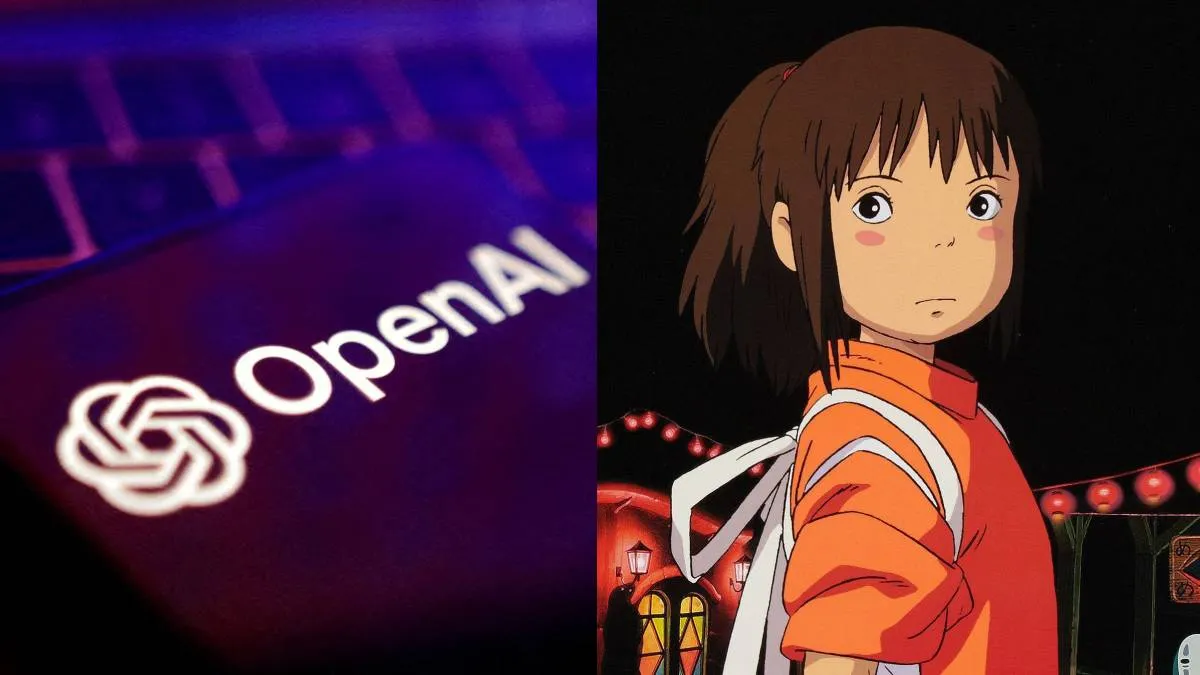
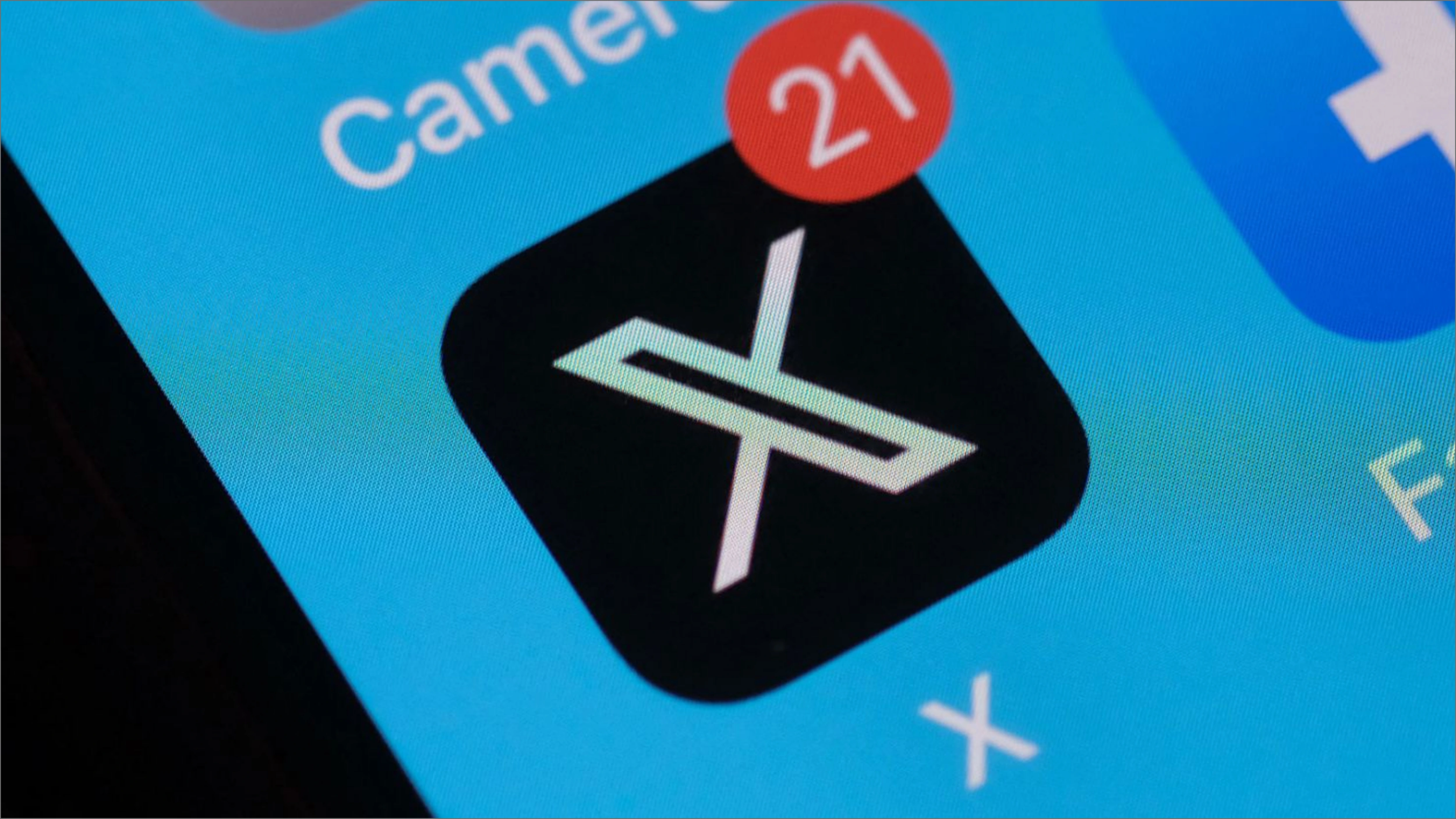
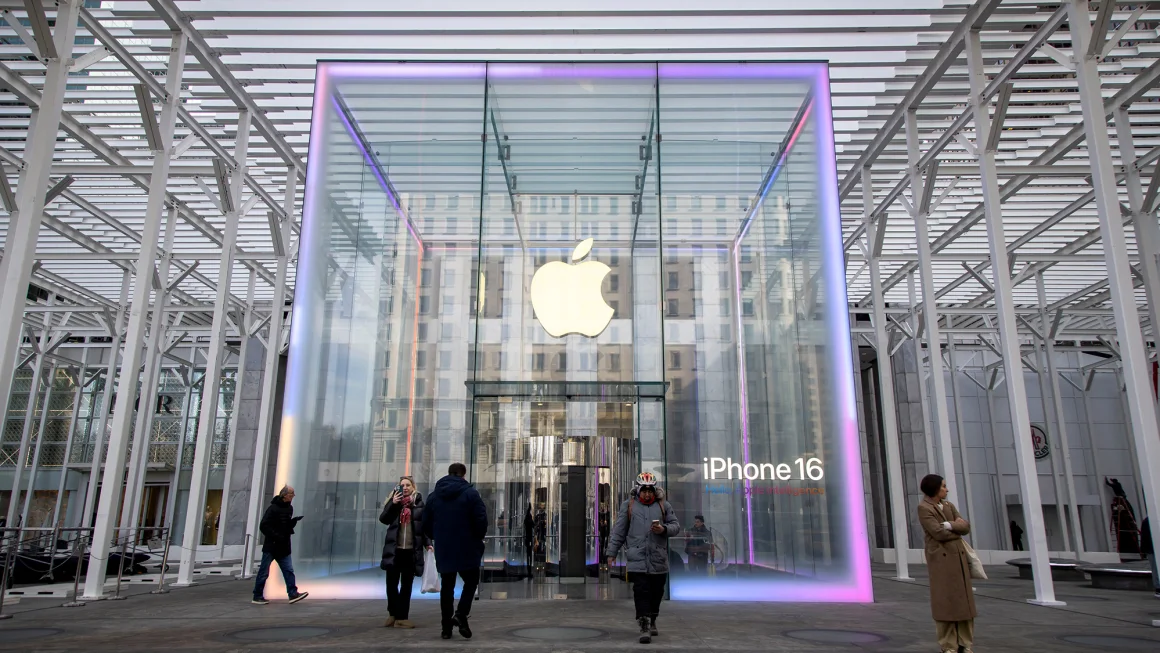
Logo design has undergone a remarkable transformation over the decades. From the elaborate and intricate designs of the early 20th century to the minimalist and abstract approaches of today, the journey of logo design reflects broader shifts in aesthetics, technology, and branding. Initially focused on detailed craftsmanship and ornate elements, logos now embrace simplicity and adaptability, driven by the digital age and the need for versatile brand identities. This evolution highlights how logo design has continually adapted to meet changing consumer expectations and technological advancements.
Key Phases in the Evolution of Logo Design
1. Early 20th Century
Logos were often complex and highly detailed, reflecting the craftsmanship of the era. They were designed with elaborate fonts and intricate symbols to convey a sense of prestige and tradition.
2. Mid-Century Modernism
This period saw a shift towards simplicity and functionality. Logos became more streamlined, with clean lines and geometric shapes that represented modernity and efficiency.
3. Post-Digital Revolution
The advent of digital technology brought about a new era of logo design. Designers began experimenting with gradients, 3D effects, and dynamic elements to create visually engaging logos that stood out in digital environments.
4. Minimalism and Flat Design
As mobile and web design gained prominence, logos adopted a minimalist approach. Flat design principles emphasized simplicity and clarity, making logos easily recognizable across various devices and screen sizes.
5. Adaptive and Responsive Logos
With the rise of multiple digital platforms, logos now need to adapt to different contexts. Responsive design ensures that logos remain effective and legible across diverse formats, from large billboards to small mobile screens.
6. Branding and Identity Integration
Modern logos are not just standalone symbols but are integrated into broader brand strategies. They often incorporate elements of brand identity, such as color schemes and typography, to create a cohesive brand experience.
7. Sustainable and Ethical Design
Recent trends emphasize sustainability and ethical considerations in logo design. This includes using eco-friendly materials and supporting social causes, reflecting the growing importance of corporate responsibility.

“Logo design is not just about creating a symbol; it’s about crafting an identity that resonates with audiences and evolves with time.” — Anonymous
Conclusion
The evolution of logo design from classic to contemporary reveals a dynamic interplay between tradition and innovation. As design practices continue to evolve, logos must balance historical significance with modern needs, embracing simplicity, adaptability, and brand integration. Understanding this journey not only provides insight into design trends but also highlights the ongoing challenge of creating logos that effectively communicate a brand's identity in an ever-changing landscape.
 By: Admin

Looking to talk about your Project? Contact us now!
At Excelsior Technologies, we are passionate about developing innovative IT software solutions that make a real difference to our customers.We believe that latest technology not only holds superior edge to solve problems for long term but also provides benefit to humanity.
Contact Details:


Social Media:


Check Out Our Services:
- Software Development
- Mobile Development
- Web Development
- Graphic Designing
- Digital Marketing
- UI/UX Design
- Print Media
- Webflow Development
- Game Development
- AI & ML Development
- CRM Development
Business Process:
Technologies:


.svg)
.svg)
.svg)


