


 IND
IND

.svg)
.svg)
.svg)
.svg)
.svg)
.svg)
.svg)


.svg)

.svg)


© 2025 Excelsior Technologies.
.webp)
.webp)











Angular
A Comprehensive Guide to Developing Modular Plugins in Angular
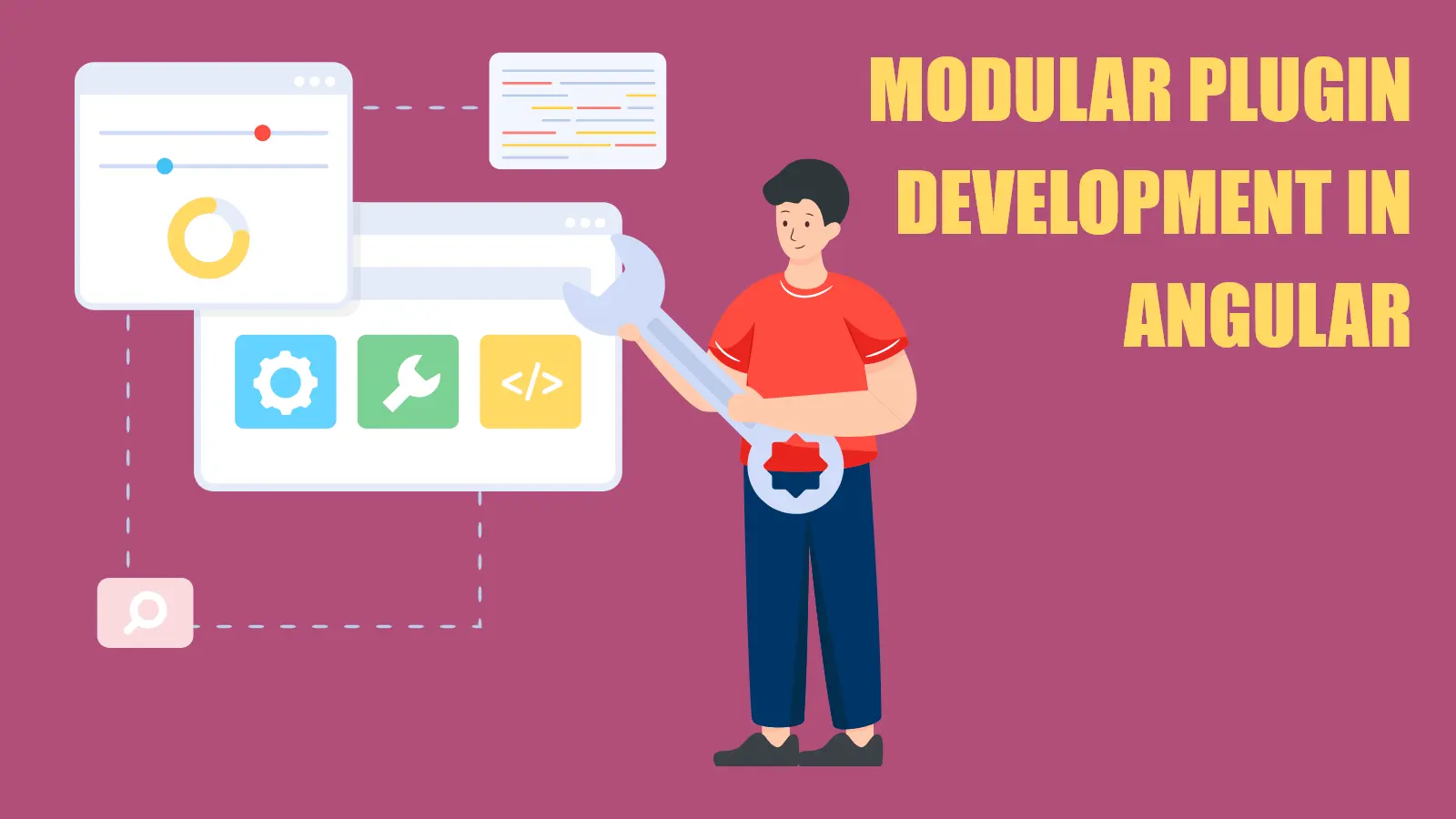
In the world of modern web development, Angular stands out as a robust framework for building dynamic applications. One of Angular's most powerful features is its modular architecture, which allows developers to create highly maintainable and scalable applications. This blog provides a comprehensive guide to creating modular plugins in Angular, a technique that enhances code reusability and simplifies application maintenance.
1. Understanding Angular Modules: The Foundation of Modularity
This section will explain the importance of Angular modules in creating a modular architecture, detailing how they serve as the building blocks for scalable and maintainable applications.
2. Designing Modular Plugins: Best Practices and Patterns
Explore the design principles and patterns essential for creating effective modular plugins in Angular, focusing on separation of concerns, reusability, and ease of integration.
3. Implementing Angular Plugins: Step-by-Step Guide
A detailed, step-by-step guide on how to implement modular plugins in Angular, covering the entire process from setup to deployment.
4. Integrating Plugins: Seamless Incorporation into Existing Projects
Learn how to integrate modular plugins into your Angular applications smoothly, ensuring that they enhance functionality without disrupting existing code.
5. Testing and Debugging: Ensuring Reliability
Discuss the importance of testing and debugging modular plugins, providing tips on how to ensure they function correctly across different scenarios and environments.
6. Real-World Examples: Applying Modular Plugins in Practice
Examine real-world examples of modular plugins in Angular, showcasing how they can be used to solve common challenges in web development.
Creating Modular Plugins in Angular: A Step-by-Step Guide
Discover how to build and integrate modular plugins in Angular to enhance code reusability and simplify application maintenance, with a focus on best practices and practical examples.

Modular plugins in Angular are more than just code components; they are building blocks that empower developers to create scalable, maintainable, and dynamic applications with ease.
The Power of Modular Plugins in Angular: A Developer’s Guide
Understanding Angular Modules: Build with Modularity - Learn the foundational concepts of Angular modules and their role in creating scalable applications.
Designing Plugins: Focus on Reusability - Master the principles of designing modular plugins that are reusable and easy to integrate.
Implementing Plugins: Step-by-Step Process - Follow a detailed guide to implement Angular plugins from setup to deployment.
Seamless Integration: Enhance Without Disruption - Discover how to integrate plugins into existing projects without affecting the core functionality.
Testing and Debugging: Ensure Functionality - Explore methods for testing and debugging plugins to maintain reliability.
Real-World Applications: See Plugins in Action - Review practical examples of how modular plugins can be applied to solve real-world challenges.
Conclusion
Creating modular plugins in Angular is a powerful way to enhance the functionality, maintainability, and scalability of your applications. By understanding the core concepts of Angular modules and following best practices in design, implementation, and integration, developers can build plugins that are not only reusable but also seamlessly integrate into existing projects. This guide provides the knowledge and tools needed to harness the full potential of modular plugins in Angular, enabling you to create more efficient and robust applications that are ready to meet the demands of modern web development.
 By: Admin

Looking to talk about your Project? Contact us now!
At Excelsior Technologies, we are passionate about developing innovative IT software solutions that make a real difference to our customers.We believe that latest technology not only holds superior edge to solve problems for long term but also provides benefit to humanity.
Contact Details:


Social Media:


Check Out Our Services:
- Software Development
- Mobile Development
- Web Development
- Graphic Designing
- Digital Marketing
- UI/UX Design
- Print Media
- Webflow Development
- Game Development
- AI & ML Development
- CRM Development
Business Process:
Technologies:


.svg)
.svg)
.svg)


